finance
What Dhaka Residents Need to Understand About Workforce Training Programs
Initiatives in technical education target the services and industrial sectors that shape daily employment and consumer services across the city.
How we reported this
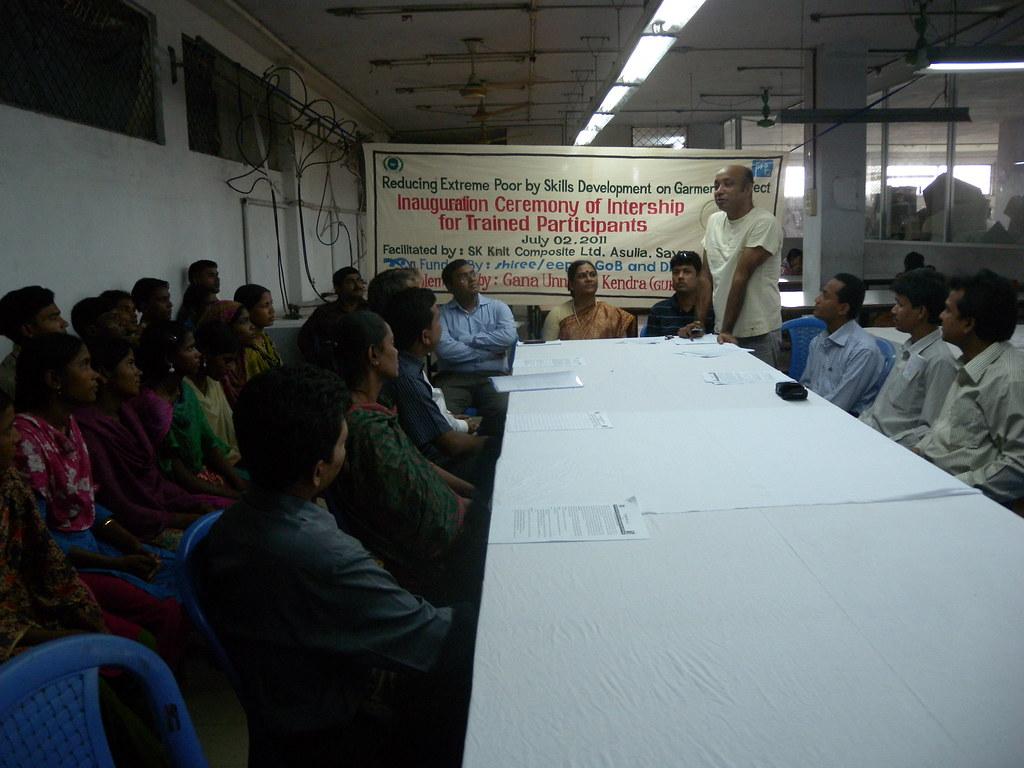
Over two-thirds of Dhaka's workforce now operates in services, with industry making up 20 percent, according to World Bank data. The garment sector alone accounts for half of industrial jobs and 28 percent of female employment. These figures mean that changes in training directly influence the availability and quality of household help, retail staff, factory output and local services that residents rely on every day.
Programs bringing formal skills to domestic and industrial work
The Suniti project introduced a digital Learning Management System in April 2025 that offers free training to more than 4 million domestic workers in Dhaka. This step places domestic work under structured technical instruction for the first time. At the same time, the Government of Bangladesh's 2025 TVET Implementation Plan sets out to build a globally competitive system that adds green and digital skills for both local and overseas markets.
The Asian Development Bank provided a $300 million loan in 2023 to expand technology-focused training in automotive, pharmaceuticals and light engineering. German Development Cooperation launched the PRECISE project to deliver a dual TVET model that combines classroom sessions with on-the-job training for more than 1,000 industrial workers and students, with the goal of meeting European Union sustainability standards.
How these efforts connect to daily life in Dhaka
Residents who hire domestic help, buy garments or use services tied to light engineering and pharmaceuticals will encounter workers whose skills are being updated through these routes. The programs focus on digital tools, environmental practices and workplace standards that can alter how tasks are performed and what expectations employers set.
Everyday consumers can check the Suniti platform for free modules if they employ household staff or want to upgrade their own qualifications. Those already in or seeking factory roles can inquire through local technical institutes about PRECISE or ADB-supported courses that link classroom learning with factory placements. Government TVET centers provide the main entry points for the 2025 plan's green and digital modules.
Tracking enrollment and completion rates through official TVET channels will show whether the training reaches enough workers to affect service reliability and product standards in Dhaka neighborhoods over the coming years.
This article is general information only and is not personal financial or investment advice. Consider your own circumstances and seek licensed professional advice before making financial decisions.