lifestyle
Dhaka's Neighborhoods Shape How Residents Build Daily Connections and Relationships
Family ties, shifting neighbourhood structures and informal community networks define how residents build connections amid urban density.
How we reported this
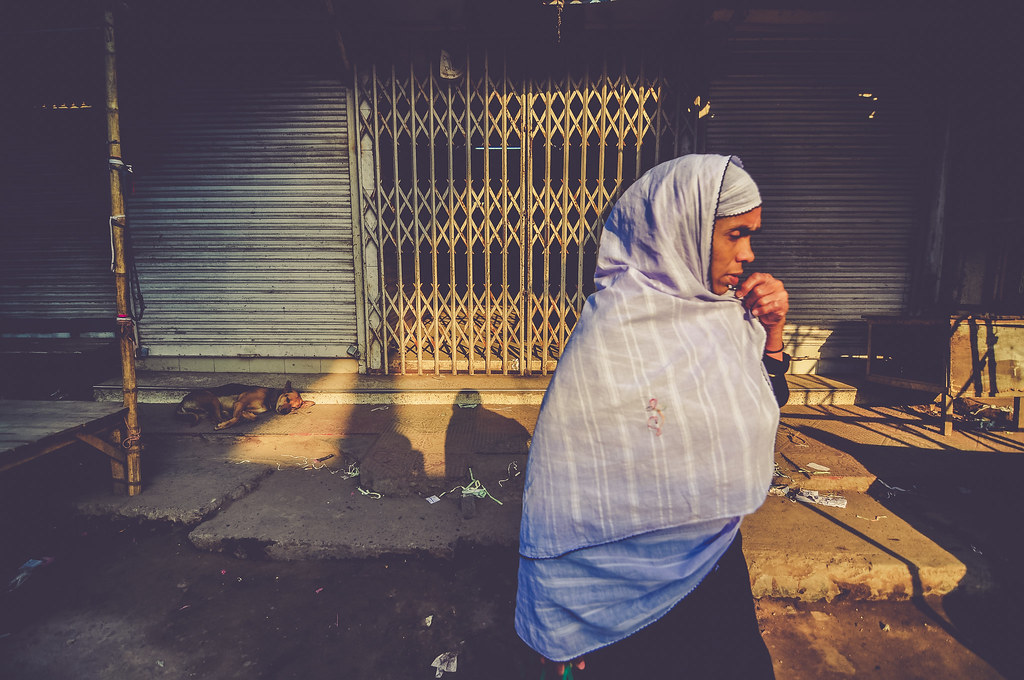
Relationships in Dhaka remain centred on family and privacy, with marriage viewed as the expected path forward and public displays of affection between unrelated people considered culturally unacceptable. These patterns influence how residents interact in their immediate surroundings, keeping many social exchanges within established household and kinship circles rather than extending outward.
From Traditional Para Networks to Gated Living
Despite the city’s dense population, urban loneliness has become common. Rapid migration has contributed to this shift, alongside the move away from longstanding neighbourhood ‘para’ structures toward gated communities. The change reduces opportunities for long-term social witnessing, where neighbours once observed and supported one another across years of shared daily life.
Micro-Communities Offer New Forms of Connection
Small groups organised around shared interests such as photography, hiking and heritage preservation are creating fresh avenues for urban connection. These micro-communities provide residents with renewed identity and belonging in a city where traditional neighbourhood bonds have weakened, allowing people to form ties based on personal passions rather than proximity alone.
Informal Systems in Low-Income Settlements
In low-income informal settlements, communities continue to depend on informal mechanisms to handle everyday conflicts before they escalate. These approaches arise directly from the pressures of rapid urbanisation and overcrowding, enabling residents to manage disputes through established local practices rather than formal channels.
The LGBTQ+ community maintains an active presence in Dhaka while navigating ongoing discrimination and oppression. At the same time, a gradual movement toward slightly greater acceptance and tolerance has been noted in some circles, though progress remains limited.
Looking Ahead
Residents seeking stronger local ties often explore interest-based groups that operate within existing cultural boundaries. Participation in such networks can help maintain privacy while still addressing the isolation that has accompanied changes in neighbourhood structures.
References Sourced but Not Limited to:
- lovecertain.com · Dating in dhaka
- doingsociology.org · The city that never knows your name loneliness in urban bangladesh...
- asianews.network · How dhakas micro communities are changing urban life
- ifsw.org · 2nd international conference on promoting the importance of human...
- peacenews.com · Living together under pressure how urban communities in bangladesh...
- ghotokbari.com.bd · Services area
- en.wikipedia.org · Dhaka