lifestyle
Retirees Save 60% Living Costs in Dhaka Compared to Western Cities
Exploring the practical side of long-term residency in the city, from housing budgets to essential healthcare infrastructure.
How we reported this
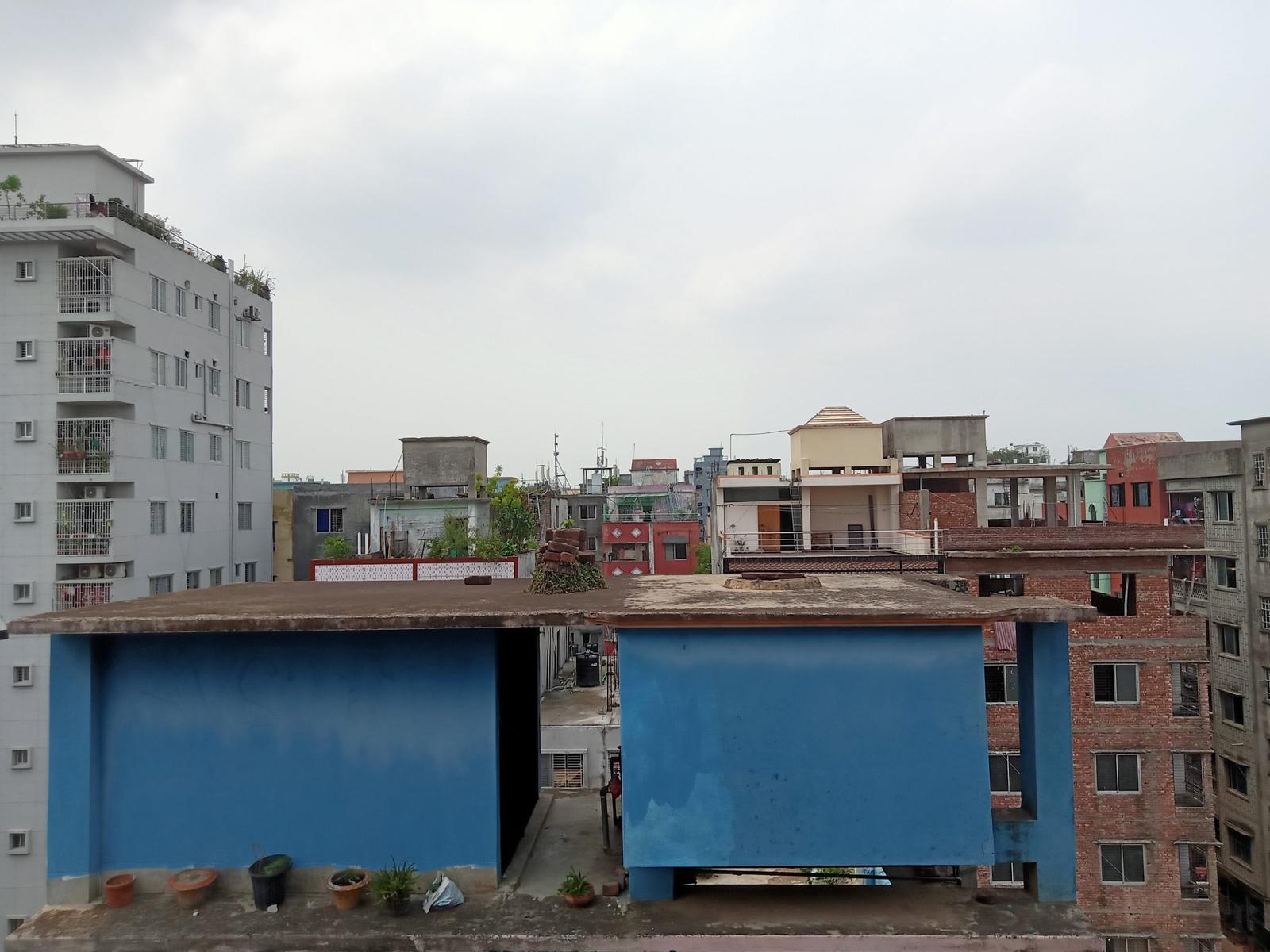
Retirement in Dhaka presents a distinct lifestyle opportunity for those looking to settle in a vibrant metropolitan environment. With a tropical monsoon climate that balances hot, rainy summers with mild, pleasant winters, the city provides an accessible backdrop for outdoor engagement during the cooler months. For those considering long-term residency, understanding the local economic landscape is the first step toward effective planning.
Housing and Economic Realities
The cost of living for retirees in Dhaka is characterized by its affordability relative to many global urban centers. Reports indicate an estimated average monthly cost for an individual ranging between $610 and $1,140 USD. When looking for permanent accommodation, housing for a comfortable two-bedroom home is typically valued around $50,000 USD. Prospective residents have a variety of housing paths available, including the direct purchase of property, the flexibility of renting apartments, or joining specialized retirement communities.
Healthcare and Specialized Support
Access to medical services is a priority for any retiree, and Dhaka features high-quality private healthcare hospitals to serve its residents. While public healthcare facilities exist, many retirees prefer to utilize private insurance plans to navigate the often-overcrowded public system more efficiently. For those requiring ongoing assistance, the city provides structured elderly care services. Home-based care options start from BDT 21,000 per month. For individuals seeking more comprehensive support, assisted living facilities are available, with monthly costs ranging from BDT 30,000 to BDT 40,000.
Community and Lifestyle
The character of retirement living in Dhaka is increasingly shaped by specialized communities that offer integrated amenities designed to foster an active lifestyle. These residences often include features such as private swimming pools and fitness centers, catering to those who wish to maintain physical wellness within their own neighborhood. Choosing the right community involves balancing personal lifestyle needs with the proximity of medical infrastructure and the local climate variations. As with any significant life transition, potential residents are encouraged to thoroughly research private insurance options and visit preferred neighborhoods to better understand the community vibe and accessibility of local services before finalizing long-term arrangements.
Produced with AI assistance and reviewed against our editorial standards. Sources are linked where available. Spotted an error or need a correction? Contact [email protected].