news
Dhaka Weighs Neighborhood Growth Strategies Against Those in Other Major Cities
City officials in Dhaka continue to adapt urban planning measures to local conditions while observing approaches taken elsewhere.
How we reported this
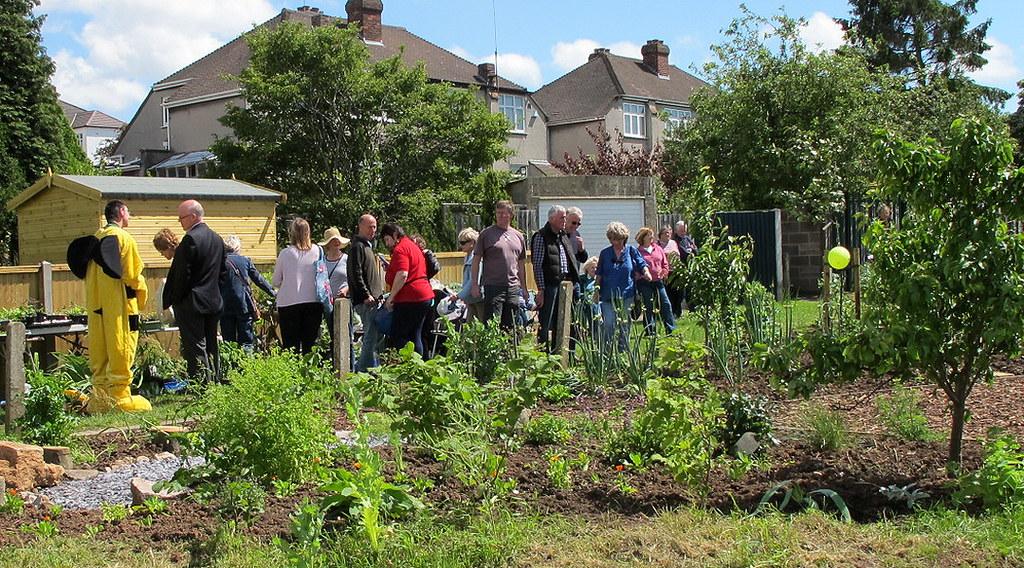
Dhaka maintains its focus on incremental upgrades to residential areas amid ongoing population pressures, a process that differs in pace and emphasis from efforts in other large cities facing similar expansion challenges.
The timing aligns with broader regional shifts in how dense urban centers manage housing density and basic services. Officials here review past patterns of informal settlement growth to guide current priorities, drawing lessons from comparable situations without direct replication of external models.
Local Patterns in Practice
Neighborhood-level work in Dhaka relies on coordination between municipal bodies and community groups to address drainage, pathways, and small-scale infrastructure. This occurs block by block in established zones, where residents report needs through established channels rather than large-scale overhauls. The method keeps projects tied to immediate surroundings instead of imposing uniform templates from outside.
Qualitative reviews show that progress depends on steady funding flows and resident input at each stage. City teams track completion rates through internal logs, adjusting for monsoon impacts and land constraints that shape daily decisions.
Global Points of Reference
Comparisons surface when planners examine how other cities balance rapid building with service delivery. Dhaka's approach tends to favor phased interventions that start with core utilities before moving to aesthetic or recreational additions. This sequence contrasts with some capitals that prioritize flagship projects early, though outcomes vary by local governance structures and available resources.
Evidence from ongoing reviews indicates that sustained attention to basic connectivity yields measurable stability in daily movement for residents. Without new mandates or external benchmarks imposed this year, the process stays rooted in existing administrative routines.
Future steps hinge on continued allocation decisions within city budgets and feedback from ward-level meetings. Residents can follow updates through municipal notice boards or scheduled public sessions to understand adjustments as they develop.