Technology
Dhaka Battles Digital Divide as Internet Access Expands
As Dhaka expands its digital infrastructure, the shift toward a connected society brings new challenges alongside the promise of free access.
How we reported this
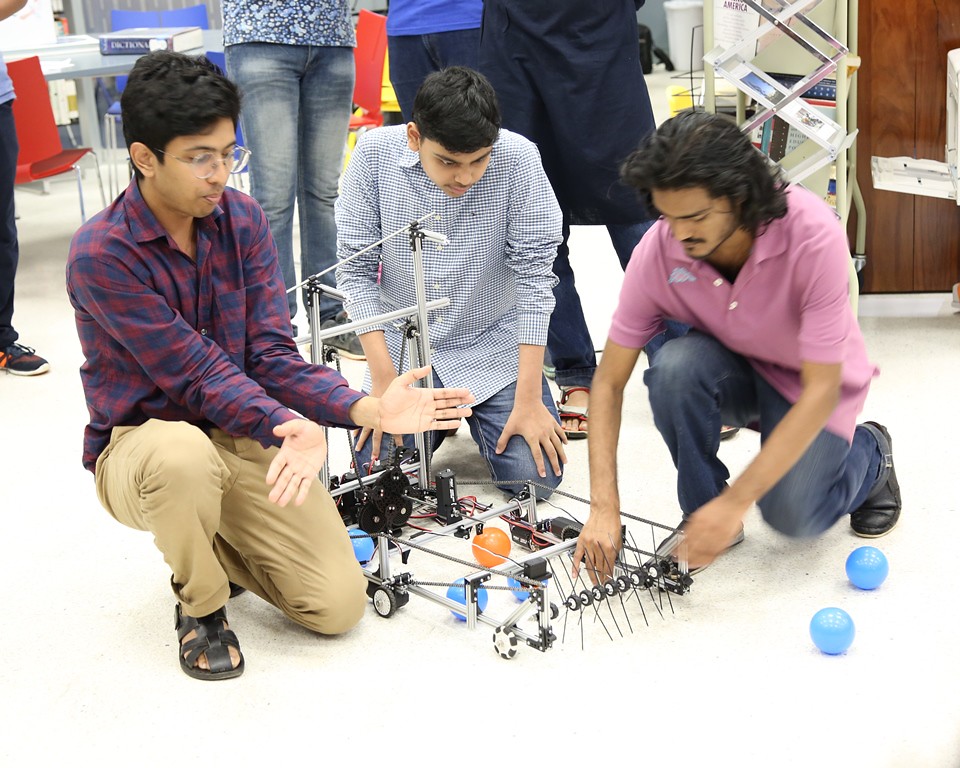
In Dhaka, the transition toward a digitized society is supported by an extensive network of physical hubs and educational programs. While these initiatives aim to bridge the connectivity divide, the integration of technology into daily life also raises important questions about safety, data literacy, and the ethical use of EdTech resources. As more citizens gain access to PCs and the internet, the focus has shifted from mere physical availability to ensuring users are equipped to manage the inherent complexities of the digital realm.
Expanding Access Through Public Infrastructure
The government and various organizations have established a significant footprint in Dhaka to foster technical skills. The Digital Literacy Center, operated by the ICT Division, serves as a central hub for those seeking guidance, featuring a physical office at the ICT Tower in Agargaon, Dhaka-1207. Beyond this, public accessibility is bolstered by the Dhaka Central Public Library in Shahbagh and 64 District Government Public Libraries. These locations provide no-cost PC access and serve as sites for beginner coding workshops. Furthermore, the Union Digital Centers (UDCs) function across more than 4,500 locations nationwide, including sites throughout the capital, offering daily access between 9:00 AM and 5:00 PM.
Bridging the Literacy Gap
Educational outreach remains a critical component of this digital shift. Teach For Bangladesh has implemented the BRIDGE project, which targets both children and parents, focusing on blended learning and safety skills to mitigate the risks associated with online navigation. Similarly, Dnet’s Computer Literacy Program (CLP) has established 287 Computer Literacy Centers across 55 districts. These centers have provided training to approximately 130,000 students, with half of the participants identified as female, emphasizing a commitment to broadening the reach of computer and communication skills training.
Ethical Questions and Practical Usage
The rapid integration of digital tools brings challenges that extend beyond technical training. Ethical considerations regarding data privacy and the security of younger users are central to programs like the BRIDGE project. As residents utilize resources provided at library hubs or UDCs, the responsibility of navigating online spaces securely becomes a primary concern. The Digital Literacy Center’s e-learning courses and app represent an effort to centralize information, providing a structured approach to learning that emphasizes safety and security. For those looking to engage with these resources, visiting a district library or a local UDC remains the most direct way to access hardware and formal training sessions, ensuring that the digital transition is managed through both instruction and community support.