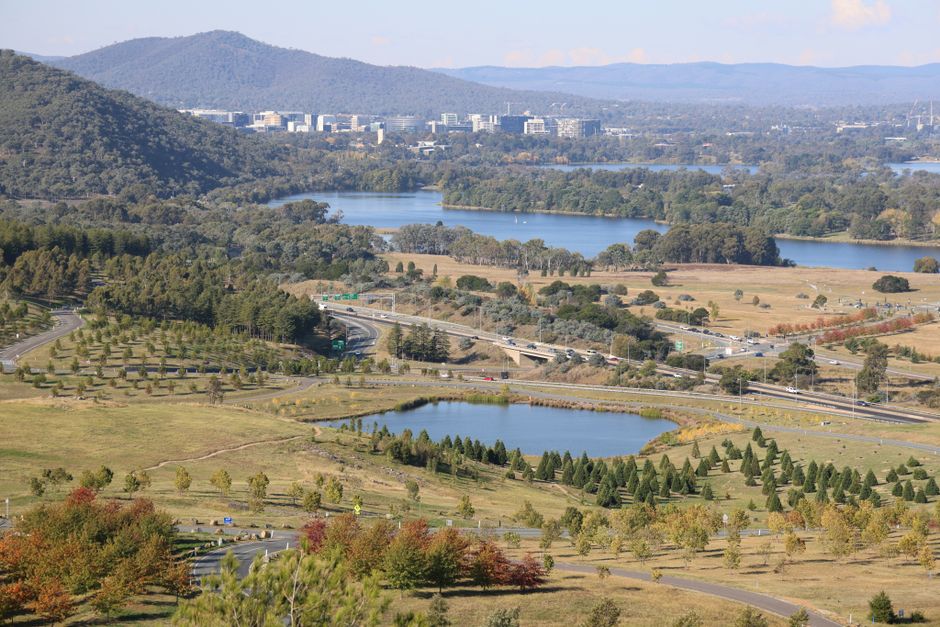
Canberra's property market is shifting beneath renters' feet. Three-bedroom houses in inner suburbs now command $520 to $680 a week—up 8 percent in six months—while apartments in Civic have crossed the $450 threshold for two bedrooms. Young professionals weighing a move to the capital need to understand exactly which neighbourhoods offer value, which demand premium rent, and which come with genuine obstacles to getting around.
The timing matters. National first-home buyer hesitation is reshaping Australian cities, but Canberra presents a different puzzle. The city attracts public servants, contractors, and tech workers drawn by stable employment and relative affordability compared to Sydney or Melbourne. Yet neighbourhood choice determines not just what you pay, but how you actually live—whether you're reliant on buses, cycling, or car ownership, and whether you can access the services that make city living appealing.
The inner north trade-off
Braddon and Dickson have become Canberra's default upgrade neighbourhoods. Both sit within walking distance of Civic's restaurants, bars and offices. Dickson, centred on Woolley Street, offers Friday night markets at the local shops and the ACT Heritage Collections Centre documenting the region's planning history. Three-bedroom rental houses there start at $580 weekly. The catch: these suburbs pack 1970s-built housing stock, which means older plumbing, inconsistent insulation, and landlords who move slowly on maintenance requests. Bus routes 7 and 8 connect Dickson to the city in 15 minutes, but for many residents, car ownership remains standard.
Braddon sits slightly further south, closer to the light rail terminus opening in 2026. The suburb's transformation accelerated in 2024 when the government released land around the future station. New apartment developments are rising, with investor interest driving rents up faster than comparable areas. A one-bedroom apartment now costs $420 to $480 weekly, compared to $360 eighteen months ago. The pay-off: a genuine young professional demographic, weekend foot traffic, and the Braddon Bottle Shop drawing locals who'd otherwise drive to Civic.
West Canberra suburbs like Curtin and Lyneham remain genuinely cheaper. Two-bedroom units rent for $380 to $420 weekly. The tradeoff is distance. A commute from Curtin to parliamentary zone Parkes takes 25 minutes by bus, or 20 by car. Lyneham sits closer to the city, but both suburbs lack the retail and food density of inner precincts. Buses operate reliably—Route 4 from Curtin to the city runs every 15 minutes during peak hours—but evening and weekend frequency drops significantly.
What the data actually shows
The ACT Housing and Homelessness Centre released quarterly rental data in May 2026 showing median weekly rents have increased 11 percent year-on-year across all Canberra postcodes. Vacancy rates sit at 1.2 percent, the lowest since 2019, meaning tenants have less negotiating power. Inner suburbs account for 34 percent of rental listings, but these fill within days of posting.
Public transport access determines genuine cost of living. Residents in suburbs served by the light rail plan—Braddon, Gungahlin, and the proposed Woden extension—report lower car reliance. A monthly bus and light rail pass costs $93, making the transport investment worthwhile if your commute runs frequent routes. For suburbs like Hume or Ngunnawal, car ownership remains nearly mandatory, adding $180 to $250 monthly to housing costs when fuel and parking are included.
Before signing a lease, verify three specific details: whether the property falls within the light rail corridor zones, whether your employer offers salary-sacrificed public transport passes through the ACT Government Employees Assistance Fund, and whether the suburb has active community groups. Dickson's Dickson Community Association organises regular events and advocates for local services. Braddon's precinct association pushes development planning decisions. These networks influence how quickly you'll integrate and whether you'll discover the cafes, services, and social venues that make neighbourhood living stick.
Check commute times using ACT Transport's journey planner for your specific workplace. Accept that Canberra requires trade-offs between rental cost, distance, and transport reliability. The cheapest suburbs often demand car ownership. The most accessible neighbourhoods command premium rent. Working out which compromise suits your job, budget, and lifestyle before you move prevents the regret that sends newcomers back south or east within two years.