Canberra's population grew by 12,500 people in the year to June 2025, making it Australia's fastest-growing capital. But arrival statistics don't capture what newcomers actually need to know once the removalist truck leaves. Local residents – the ones who've stuck around past the first winter – offer a different kind of relocation advice than the standard marketing material.
The shift matters because Canberra is no longer a transient posting ground where federal workers serve a few years then move on. Families are buying homes, professionals are building careers, and the city is developing the kind of staying power that requires actual local knowledge. The rental vacancy rate sits around 1.2 per cent, competition is fierce, and the mistakes newcomers make tend to be expensive ones.
The postcodes nobody talks about
Start with where you actually live. Established inner suburbs like Forrest, Yarralumla, and Deakin command premium prices – $1.8 million median for a three-bedroom house in Deakin – but residents who've been here longer than five years consistently steer newcomers toward Braddon and Dickson instead. Both suburbs sit close to the city centre, have younger demographic profiles, and offer substantially lower entry points. A comparable house in Braddon runs closer to $950,000 according to recent real estate data.
The Woden Valley suburbs – Theodore, Fadden, Chifley – appear regularly in searches because they're cheaper still, but long-term residents flag the same warning: they feel disconnected from the city's actual social and employment heartland. The drive to Civic or Canberra Hospital becomes routine frustration. Gungahlin, by contrast, is where locals say the real community is building. Nearby neighbourhoods like Harrison and Forde have younger populations, active street committees through programs like Canberra Neighbourhood Watch, and the kind of Saturday morning culture at the Harrison shops that doesn't feel imported for the property brochure.
What actually happens on weekends
Canberra's culture infrastructure exists, but it requires more intentional engagement than Sydney or Melbourne. The National Gallery of Australia on the south shore gets the visitor traffic, but residents join community groups through places like the Canberra Multicultural Community Services, which runs dozens of neighbourhood programs across suburbs like O'Connor and Belconnen. The activation actually happens through smaller venues – Mooseheads on Alinga Street for live music, or the regular farmers markets at Belconnen Community Centre rather than one central hub.
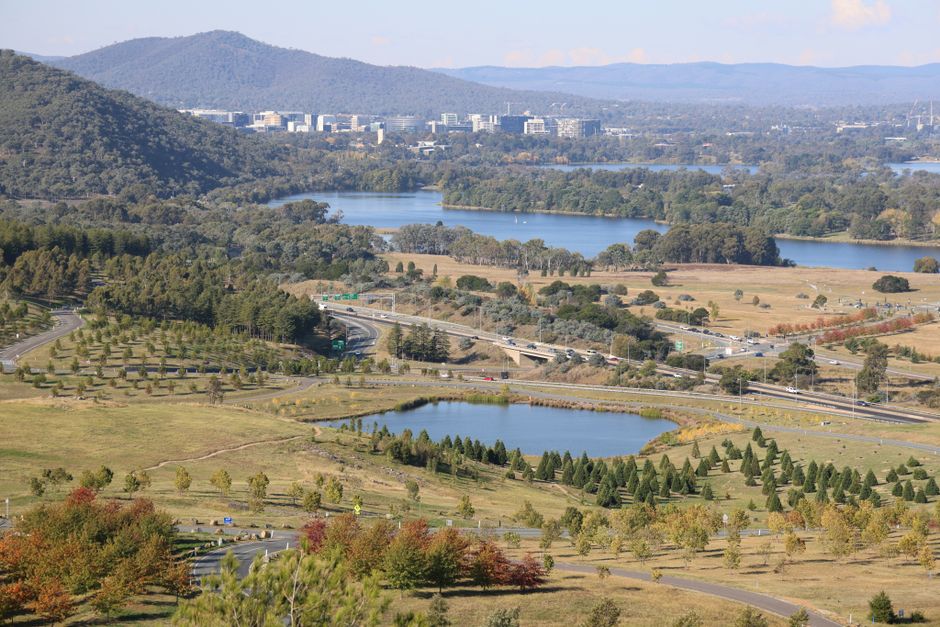
Winter is not theoretical. June and July deliver frosts that make frost warnings sound quaint. Locals invest in proper heating before May arrives. Summer runs hot enough that Christmas often means eating outdoors at venues like the Canberra Area Parks and Land Trust reserves, or heading to one of the lakes – Lake Gungahlin, Lake Burley Griffin – which require active planning to visit rather than spontaneous weekend decisions. By November, temperatures regularly exceed 30 degrees.
Schools fill fast. If you have children, registration at schools like Caroline Chisholm Primary in O'Connor or Lyonville Primary in Kambah can have waiting lists by May of the previous year. The ACT Education Directorate publishes enrolment information, but word-of-mouth through established parents matters more than published rankings.
Employment concentration is real. The Australian Public Service dominates, accounting for roughly 18 per cent of the Canberra workforce. Private sector roles exist, but the job market looks different than other cities. Newcomers planning to move here for corporate careers should research specific employers – Telstra, Google's Sydney operations with Canberra staff, defence contractors – rather than assuming the job market functions like Sydney or Brisbane.
Budget for healthcare waits. The public system works, but specialists see delays. Private health insurance through funds like Bupa or HCF gets frequent mentions from residents with families, not because the public system fails, but because wait times for procedures can stretch months. Most locals carry both public coverage and supplementary private insurance.
Long-term residents say the same thing: arrive with realistic expectations about a medium-sized capital with real community potential, not a sleepy government town or an undiscovered gem. Canberra works better for people choosing to be here than for people posting time until somewhere else accepts them. The newcomers who settle tend to be the ones who join actual community rather than waiting for community to show up.