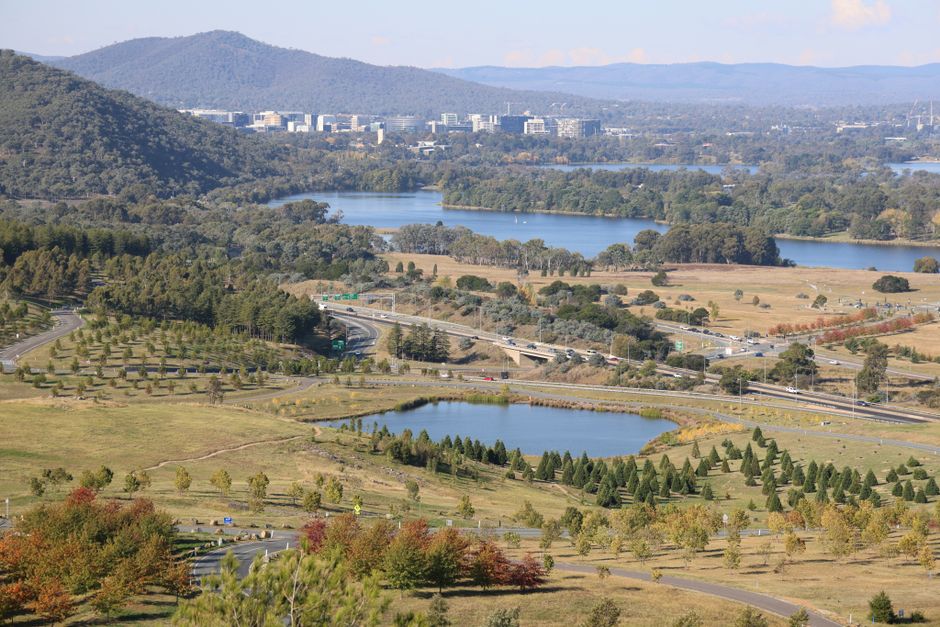
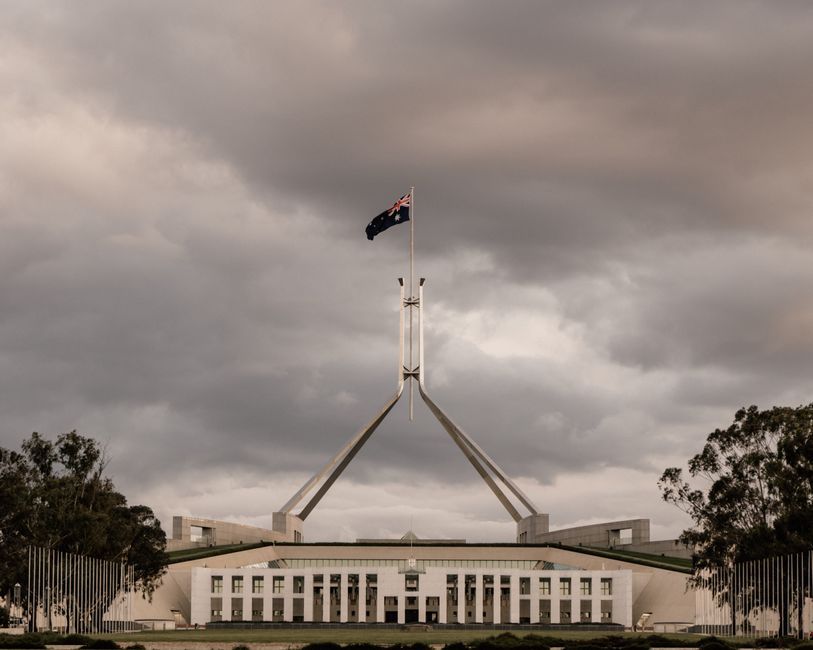
Canberra's real estate market may be cooling, but the city's weekend calendar is heating up for a reason most Australians overlook: proximity. Within 90 minutes of the city centre, you can ski the Snowy Mountains, drink wine in the Southern Tablelands, or camp beside pristine national parks. Sydney takes two hours to reach the Blue Mountains. Melbourne needs three. And nowhere else on earth offers this particular combination of alpine access, viticultural escape, and urban sophistication compressed into a single region.
The timing matters. With first-home buyers pausing on property purchases across Australia, the conversation around moving to a city has shifted from investment returns to quality of life. Canberra's advantage isn't in the property appreciation—it's in what you actually do on a Saturday. The city has quietly become a proving ground for a different kind of lifestyle premium: the weekend that doesn't require a five-hour commute.
Drive west from the Parliamentary Triangle and Tidbinbilla Nature Reserve appears within 15 minutes. The reserve sits 29 kilometres out, offering native koala spotting, walking trails through eucalyptus forests, and a visitor centre that actually functions as a proper museum rather than a gift shop with educational pretensions. Head further, and Canberra becomes your launching pad. The Murrumbateman wine region—centred around the small villages of Murrumbateman and Gundaroo, about 40 kilometres north—now hosts over 40 wineries. Clonakilla, Helm Wine, and Gundog Estate operate on weekends with cellar doors that don't require bookings at 6 a.m. on a Thursday to access. Compare that to Napa Valley, where the tasting appointment now functions as a status barrier.
The Snowy Mountains sit 90 kilometres south. During winter—July and August—Thredbo and Perisher operate from Canberra as a weekend proposition rather than a vacation destination. A Friday night drive puts you on the slopes Saturday morning. Sydney skiers spend four hours each way.
What makes this geography actually work
Most capital cities market their surrounding regions as separate tourism products. Canberra's geography forces integration. The Australian Capital Territory Government's 2024 visitor survey found that 34 per cent of interstate tourists to Canberra extended their stays to visit regional attractions within the territory. That's not a marketing slogan—it's people voting with their actual weekends.
The Lake District in England—the closest international comparison—demands tourists cluster around Windermere or Ullswater. You pick your lake, your village, your walking radius. Canberra offers the same dispersed-escape model but without the planning restriction claustrophobia. Brindabella National Park, Namadgi National Park, and the Wadbilliga Wilderness sprawl across the region's edges. Kambah Pool and Birrahlee Pool provide weekend swimming holes that rival Byron Bay's beaches without the Instagram queue.
Prices matter. A cellar door tasting at Helm Wine costs $5 per person, or free with a purchase. A restaurant lunch in central Canberra—say, around Garema Centre or the Kingston waterfront—runs $28 to $45 for mains. A weekend self-catering cottage in Murrumbateman or Gundaroo ranges from $120 to $200 per night. These aren't budget-basement figures, but they're significantly lower than equivalent experiences in the Blue Mountains or Great Ocean Road regions.
The practical reality for next weekend
If you're planning a Canberra weekend right now, July offers blackberries and brussels sprouts at the farmers markets—both at peak season according to the Australian Food Standards—which means the regional cafes are serving genuinely seasonal menus. The Canberra District Wine Industry Association publishes a visitor guide that lists open cellar doors; unlike Sydney wine regions, booking ahead isn't mandatory.
The city doesn't market itself as a leisure destination the way Byron Bay or the Barossa Valley do. That's part of what makes it work. You'll spend a weekend in Canberra and discover the escape routes by accident, rather than by following the crowds who got there first.