Canberra's green spaces are free to enter. That fact alone sets the capital apart from dozens of global cities where park access requires a ticket, a membership fee, or a deposit. Yet the cost equation for actually using those spaces—parking, facilities, equipment hire, and the petrol to reach them—tells a different story entirely.
The timing matters. Property listings across Canberra now emphasise proximity to parks in marketing copy far more than they did two years ago. Real estate agents report that young families comparing suburbs increasingly ask about walking distance to playgrounds and whether a yard backs onto conservation land. The cooling property market has sharpened people's thinking about what outdoor access means when you're locked into a mortgage for decades.
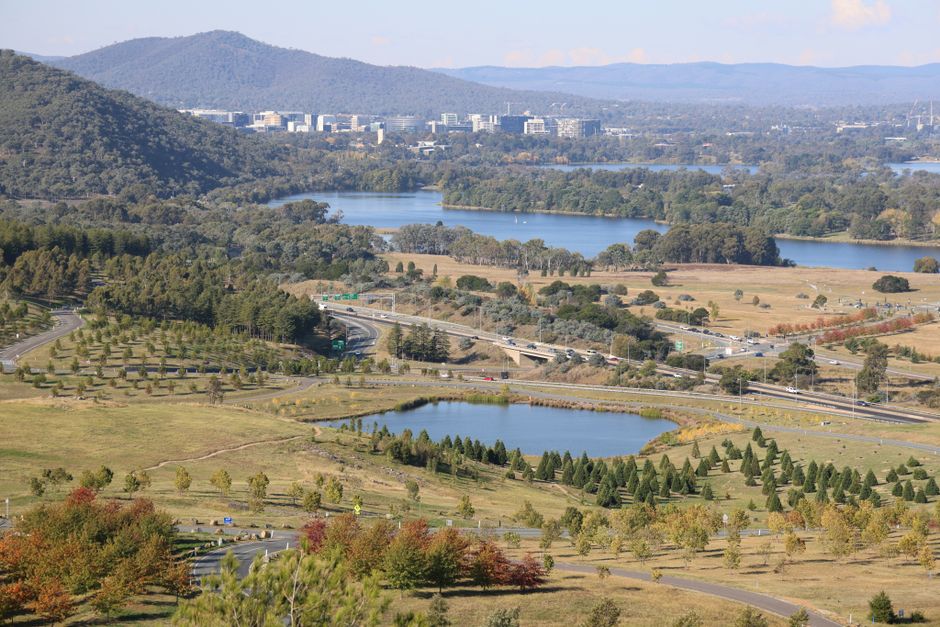
Take the suburbs closest to Canberra's major green corridors: Weston, with direct access to the Molonglo Reach via the Weston Park precinct; Gungahlin, where residents walk to Mulligans Flat Woodland Sanctuary; and Aranda, positioned against Canberra Nature Park. Each reports different fee structures and facility availability depending on which section of parkland you enter and what you plan to do there.
Most ACT parks charge nothing for entry or basic use. Parking, however, costs between $3 and $5 per day at major hubs like Lake Burley Griffin, Namadgi National Park's Tharwa Drive entrance, and the Canberra Nature Park visitor centre at Gungahlin. Several suburbs—Macgregor and Aranda included—offer free all-day parking at designated trailheads, but spaces fill by 9am on weekends, particularly in July when people seek respite from cold indoor routines.
Facility fees and what you'll actually pay
Beyond parking, costs accumulate quickly. Canberra public pools operate seasonally, but the hydrotherapy pool at the Canberra Olympic Pool on Allwood Street stays open year-round. Entry runs $7.20 for adults and $3.60 for children as of mid-2026; concession rates drop that to $4.50 for pensioners and Health Care Card holders. The pool management reports that family packages—four people for $18—encourage off-peak visits during weekday mornings.
Picnic facilities at Lake Burley Griffin's Acton and Commonwealth parks offer barbecue access at no charge, but demand is so high that some sections now require pre-booking through the Parks and Conservation Service. Equipment rental—kayaks from the Canberra Water Sports Centre on Stirling Avenue, or bikes from shops dotting the Parliamentary Triangle—costs $35 to $50 per half-day. Families planning weekend trips often budget $100 to $150 when accounting for parking, equipment, and refreshments.
The spatial inequality cuts along established lines. Suburbs in south Canberra—Canberra's original, wealthier neighbourhoods like Forrest and Yarralumla—enjoy free parking and direct park access without the congestion affecting Lake Burley Griffin. North Canberra suburbs built in the past 15 years have fewer mature parks and often require driving to reach larger green spaces. The ACT government's Parks and Conservation Plan, updated in 2024, acknowledged this imbalance but committed no new funding toward equalising access across suburbs.
Planning your visit without breaking the budget
Savvy visitors time park visits to avoid peak periods. Mid-week mornings from 10am to 2pm mean available parking, shorter queues at facilities, and quieter trails. Families using Canberra's parks more than twice monthly report the maths: annual parking alone reaches $300 to $400 if visiting major hubs weekly. That calculation increasingly influences where households choose to buy property and whether they can justify frequent park use alongside mortgages that have climbed 40 percent since 2022.
The ACT Parks and Conservation Service website lists all free and paid facilities by suburb, updated monthly. Booking systems for barbecues and picnic shelters open 30 days in advance and fill within 48 hours for weekend slots. Those willing to book weekday visits or shoulder-season dates—late April, early September—find significantly more availability and lower congestion. The practical reality is that truly free park access in Canberra requires strategic planning, reliable transport, and the flexibility to avoid peak times. For households reassessing budgets as property values soften, that calculus has become impossible to ignore.