lifestyle
Moving to Canberra? Here's what locals actually want you to know
Fresh arrivals are flooding the capital, but the veterans of Lake Burley Griffin have blunt advice about navigating the nation's planned city.
4 min read
Updated 8 h ago
lifestyle
Fresh arrivals are flooding the capital, but the veterans of Lake Burley Griffin have blunt advice about navigating the nation's planned city.
4 min read
Updated 8 h ago

Canberra is booming. The population topped 460,000 in 2025, driven by federal job creation, tech sector growth, and families fleeing Sydney and Melbourne property prices that have become frankly ridiculous. But newcomers arriving with rental trucks and optimism often collide with the reality of a city designed by architects, not organically grown. Local residents—the ones who've weathered three winters and know which suburbs actually work—have stopped holding back about what relocation guides won't tell you.
The timing matters. Australia's property market has cooled sharply this year, with first-home buyers stepping back from the market entirely. Canberra's rental vacancy rate sits at 0.8 percent as of June 2026, making landlords brutally selective and newcomers competitive. The median rent for a two-bedroom apartment in inner suburbs like Braddon or Dickson hovers around $520 per week, up 12 percent since 2024. This isn't Sydney prices yet. But the trajectory is visible.
Skip the tourism websites. Start instead with suburbs that longtime Canberrans actually recommend. Ainslie, perched above the city centre with views across to the Brindabella Mountains, attracts people who work in government and tech. The suburb has the Ainslie Arts Centre on Ellenborough Street, a creative hub that doubles as a genuine measure of community life. Nearby Hackett and O'Connor offer more affordable family options, though less walkability. Forrest remains the leafy favourite for established professionals, though a three-bedroom house rents for $700-plus weekly.
The emerging neighbourhood conversation centres on Gungahlin, north of the city. Belconnen continues to be underrated—proximity to the shops at Westfield, actual greenery, and schools like Canberra High make it practical for families who don't need to Instagram their postcode. Australian National University staff and students cluster around Campbell and Duntroon, making those suburbs noisier and younger.
Ask locals which infrastructure actually works. The light rail opened in April 2024 between Gungahlin and the city centre via Canberra Station, fundamentally shifting commute reality for people in northern suburbs. This matters. Before the tram, a drive from Gungahlin to Parliamentary Triangle took 25 minutes in peak hour. Now it's predictable. The second stage to Woden is planned for 2026-2027 completion. This isn't fully operational yet, but it's coming, and smart renters are choosing suburbs on the announced route.
Employment data reveals why people are arriving: the ACT unemployment rate stands at 2.9 percent, well below the national average of 3.7 percent. The Australian Federal Police, Department of Defence, and Department of Home Affairs alone employ thousands. The private sector tells a different story. Tech companies including Canva's offices and smaller startups cluster around Barton and Kingston, but professional services jobs in accounting and consulting remain the real employment backbone.
Rental bonds sit in the ACT Residential Tenancies Act scheme, not state-based equivalents. Bonds are typically four weeks' rent. The ACT has tighter tenant protections than NSW, which sounds good until you realise landlords are pickier about applications. Newcomers without local employment history face skepticism. Getting a rental in July—right now—means applying to properties within 24 hours of listing. Delays cost you.
Schools matter to families relocating. The ACT public education system performs solidly in national testing, but places fill fast. Catholic schools including Erindale College and Marist College maintain waiting lists. Check enrolment timelines immediately if kids are involved. The Australian National University is nearby in Acton, which shapes cultural life but also means term holidays affect suburb amenities and traffic.
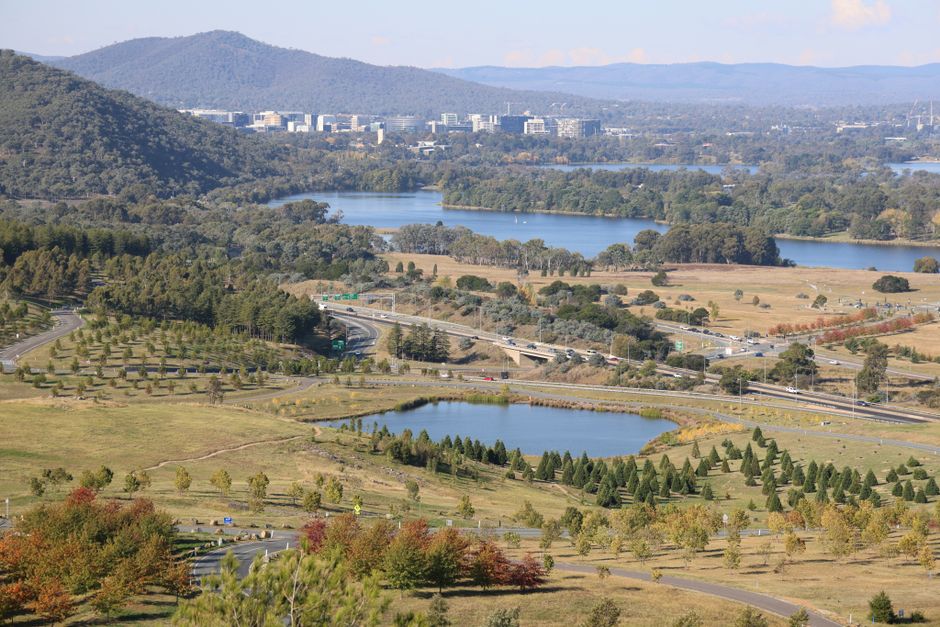
Locals say the same thing consistently: Canberra rewards planning. The city doesn't surprise you with hidden charm or spontaneous opportunities like Sydney or Melbourne. It's built. You pick a suburb based on work proximity, school preference, and rental budget, then commit. Lake Burley Griffin is genuinely beautiful for walking and water sports. The National Museum, National Gallery, and War Memorial are legitimate cultural draws, not tourist traps. Winter is real—temperatures drop to 0°C regularly June through August. Summer arrives hot and dry.
Before signing a lease, spend a weekend driving the route to your workplace during peak hour. Check whether the light rail actually serves you—and check the 2026-2027 Woden expansion map. Talk to current renters in the suburb you're considering, not property managers. They'll tell you about parking shortages, construction noise, or which bus services actually run on time. Canberra isn't mysterious. It just requires you to do the work upfront.


About this article
Published by The Daily Canberra
Spread the word
Daily brief
Free, in your inbox before 7am. Weekdays.
The Daily Network — local news across Australia