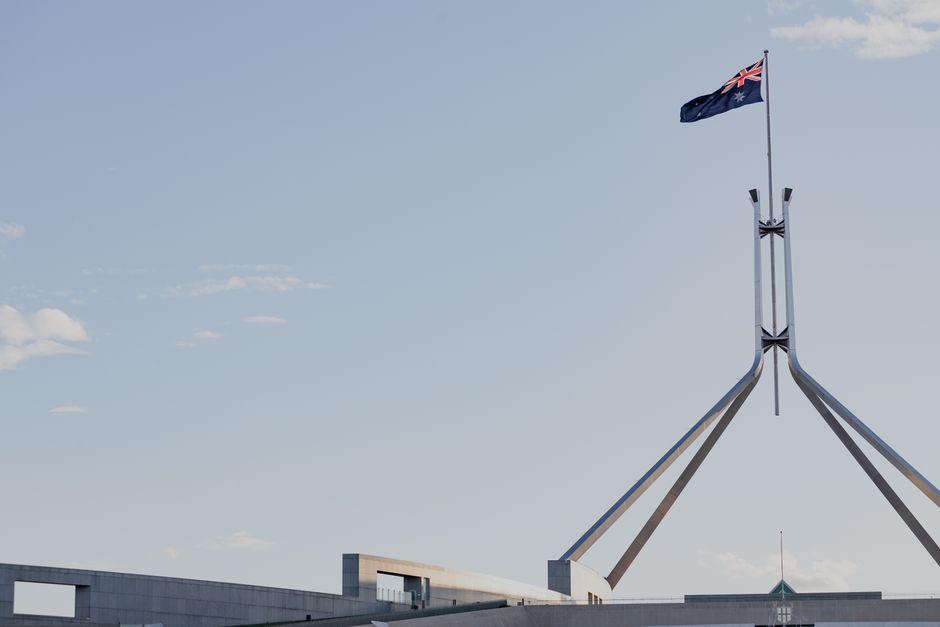
The ACT rental market hit another pressure point this winter, with SQM Research recording a vacancy rate of just 0.8 percent across Canberra in June 2026 — one of the tightest readings in the country and a level that housing advocates say is pushing working households toward genuine housing stress. For a city where the public service is the dominant employer, the squeeze is falling hard on mid-income earners who earn too much for social housing assistance but not enough to absorb rents that have climbed roughly 11 percent over the past 18 months.
The timing matters. The federal government's return-to-office directives, which picked up pace through early 2026, have refilled the inner-north and inner-south corridors after a post-pandemic lull. Suburbs like Braddon, Reid and Kingston — where a two-bedroom apartment was routinely sitting around $520 a week in 2023 — are now regularly listing at $680 to $720. Properties in the Gungahlin growth corridor, once considered the affordable alternative, are clearing at weekend auctions with tenancy queues that agents report running to 30 or 40 applicants per property.
Tenants Running Out of Room to Move
The ACT Tenants' Union has recorded a 34 percent rise in calls to its advice line in the first half of 2026 compared with the same period last year. Most callers are not disputing bond deductions or lease terms — they are asking what to do when a lease ends and there is nowhere affordable to go. Renters in the Belconnen town centre precinct, where the Light Rail Stage 2B extension has lifted desirability, are reporting that re-let prices on their own units are coming in $150 a week higher than what they currently pay.
The ACT Government's Rental Affordability Scheme, which subsidises rents for eligible low-to-moderate income households through approved community housing providers including CHC Affordable Housing, currently covers around 1,400 dwellings territory-wide. Housing advocates say that number needs to double by 2028 to keep pace with demand projections tied to population growth in the Molonglo Valley and the Taylor estate in north Gungahlin, where thousands of new dwellings are still 12 to 24 months from completion.
Landlords Are Not Celebrating Either
The picture is more complicated on the ownership side. Landlords in Canberra — many of them public servants themselves who bought investment properties in the early 2010s — are staring at land tax assessments that the ACT Revenue Office revised upward again in January 2026, combined with insurance premiums that brokers say have risen 18 to 22 percent since 2024. Several landlords who spoke to industry groups through the Real Estate Institute of the ACT described being cash-flow negative even at current market rents, particularly on older units in Woden and Tuggeranong that require capital works to meet updated energy efficiency standards.
The ACT's phased removal of stamp duty — replaced by a broad-based land tax — was designed to encourage investment and mobility, but some smaller landlords say the annual impost is now more punishing than the old transactional tax ever was, particularly as interest rates held at 4.1 percent through the first half of 2026 have kept mortgage costs elevated. The result, several property managers say, is a steady trickle of mum-and-dad investors quietly selling out, which reduces stock even further and sharpens competition for what remains.
For tenants, the practical calculus right now comes down to acting quickly and applying broadly. The ACT Tenants' Union recommends renters document all correspondence during any rent negotiation and be aware that under the Residential Tenancies Act 1997, landlords must provide 60 days' written notice of any rent increase and cannot increase rent more than once in any 12-month period. For landlords navigating the cost environment, the REIACT is holding a compliance and budgeting briefing at its Northbourne Avenue offices on July 22 — registration is free for members. Neither side of this market is finding the next six months straightforward.