Property
Dhaka Council Unveils New Zoning Rules to Control Growth and Improve Livability
New regulations aim to balance growth with livability in the city's rapidly developing neighborhoods
3 min read
Property
New regulations aim to balance growth with livability in the city's rapidly developing neighborhoods
3 min read

Dhaka's city council has approved a series of planning changes that will significantly impact the density and design of new developments in the city. The changes, which come into effect on August 1, 2026, will require builders to include more green spaces and community facilities in their projects.
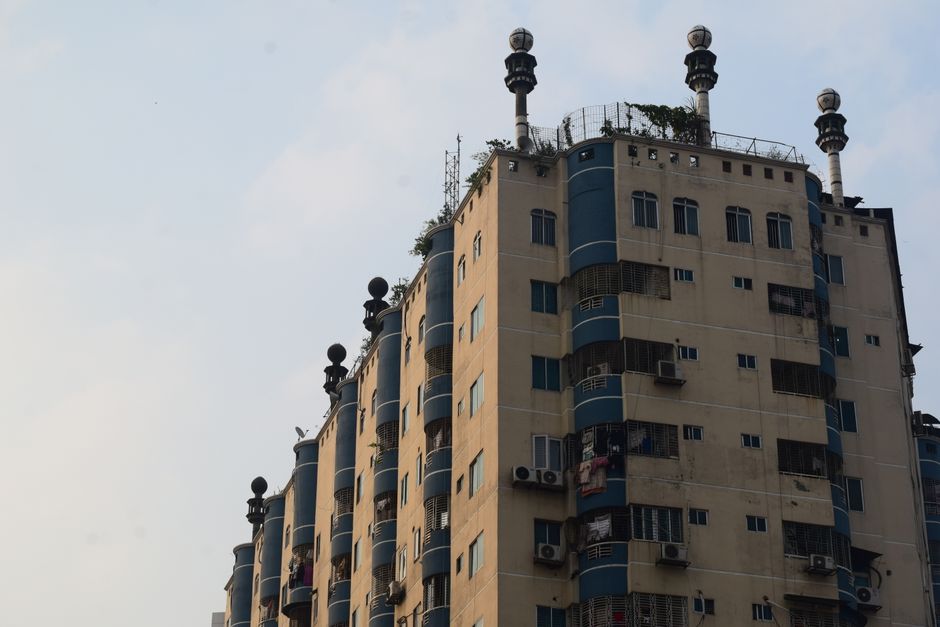
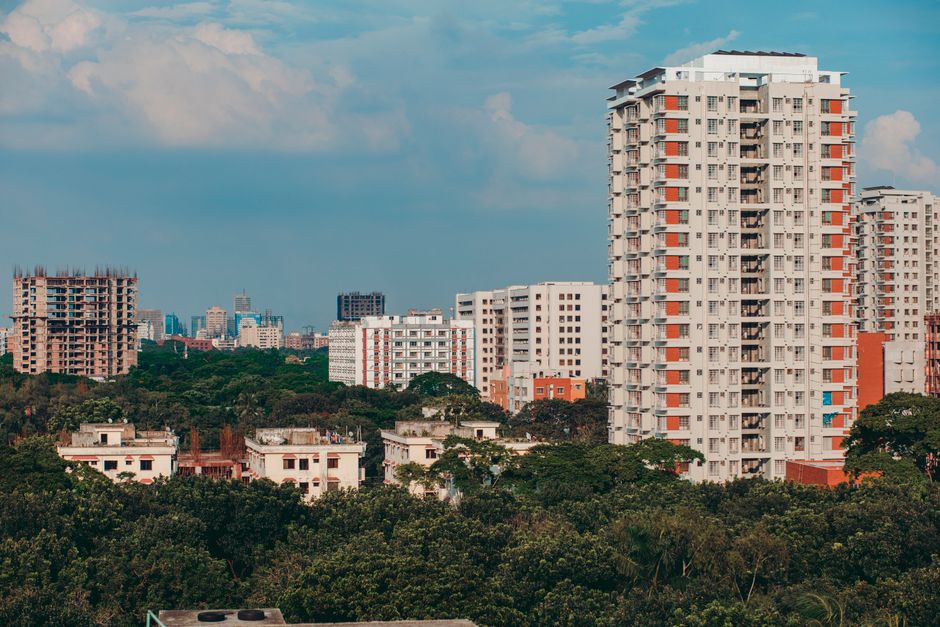
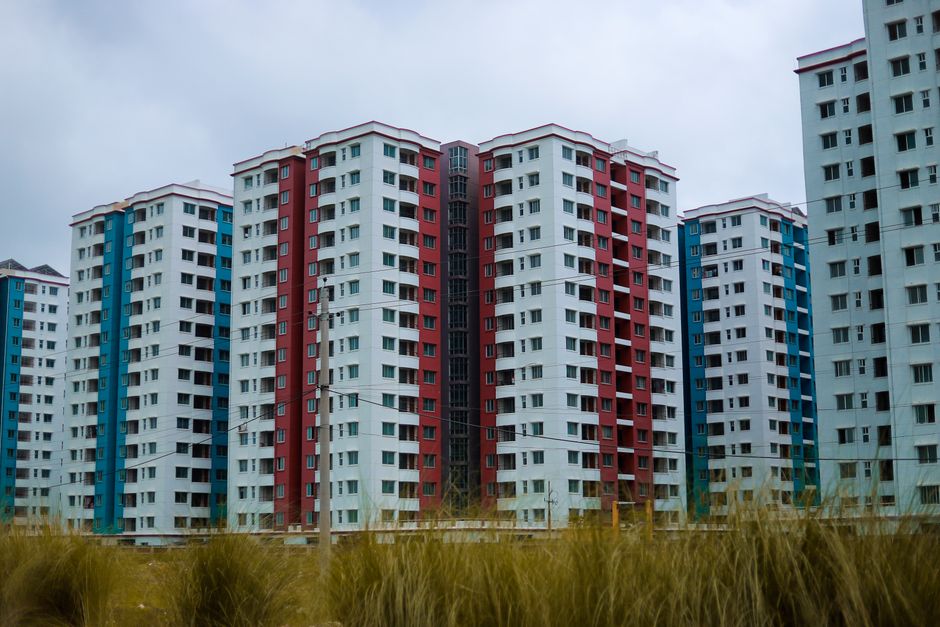
The new regulations are a response to concerns about the rapid pace of development in Dhaka, which has led to issues with traffic congestion, air pollution, and a lack of public amenities. With the city's population projected to reach 20 million by 2028, according to the Dhaka City Corporation, there is a growing need for sustainable and livable urban planning. The changes are seen as a crucial step towards achieving this goal, and will affect areas such as Gulshan, Banani, and Motijheel, where high-rise developments are increasingly common.
In terms of specific locations, the new regulations will have a major impact on the development of the Tejgaon Industrial Area, where several large-scale projects are currently underway. The area, which is located near the city's main bus terminal and the Kamalapur Railway Station, is seen as a key hub for commercial and residential development. Meanwhile, in the upscale neighborhood of Baridhara, developers will need to incorporate more green spaces and community facilities into their designs, in line with the new regulations. The Dhaka Transport Coordination Authority and the Rajdhani Unnayan Kartripakkha, the city's planning authority, will be responsible for enforcing the new rules.
According to data from the Bangladesh Bureau of Statistics, the average price of a square foot of land in Dhaka has increased by 25% over the past year, to 15,000 taka. Meanwhile, a recent survey by the Real Estate and Housing Association of Bangladesh found that 70% of residents in the city's newer developments are dissatisfied with the lack of community facilities and green spaces. The new regulations aim to address these issues, by requiring developers to allocate at least 10% of their project area to public amenities. This will include parks, playgrounds, and community centers, and will help to create more livable and sustainable urban environments.
Looking ahead, the new regulations are likely to have a significant impact on the city's property market. Developers will need to adapt their designs and plans to meet the new requirements, which may lead to increased costs and delays. However, the long-term benefits of more sustainable and livable urban planning are likely to outweigh these short-term challenges. As the city continues to grow and develop, the new regulations will play a crucial role in shaping the future of Dhaka, and creating a better quality of life for its residents. The Dhaka City Corporation has announced plans to provide support and guidance to developers, to help them navigate the new regulations and ensure a smooth transition.
About this article
Published by The Daily Dhaka
Spread the word
Daily brief
Free, in your inbox before 7am. Weekdays.