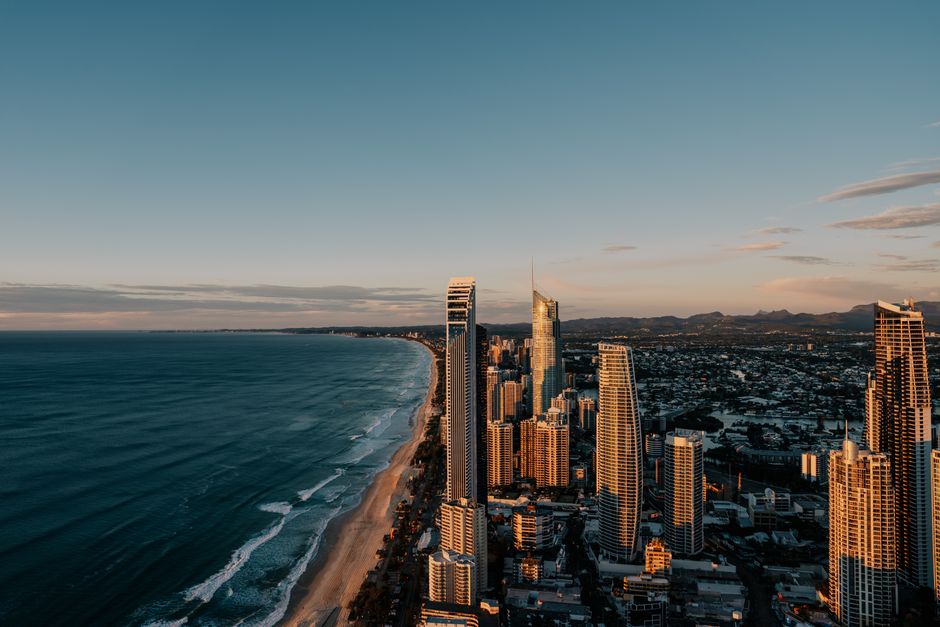
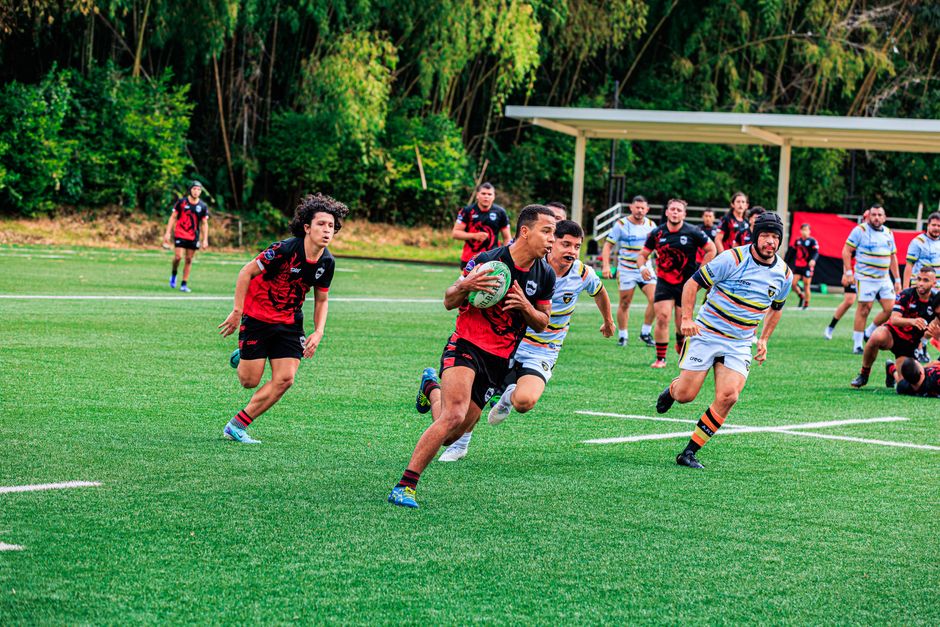
This year, Sport Australia’s latest participation report landed with a headline number: more than 72% of adults in Sydney logged weekly physical activity, the city’s highest rate since records began in 2015. Group team sports have rebounded hard post-pandemic, while boutique fitness clubs are trading on full capacity from Surry Hills to Neutral Bay.
The numbers matter as national scrutiny grows over Australia’s sluggish performance in global football. With the Socceroos’ recent shootout exit from the World Cup in New Jersey, more attention is turning from elite heartbreak to grassroots engagement. Policy-makers and organisers are scrutinising participation trends to see what’s working—and where gaps remain.
On the Ground: Where Locals Get Moving
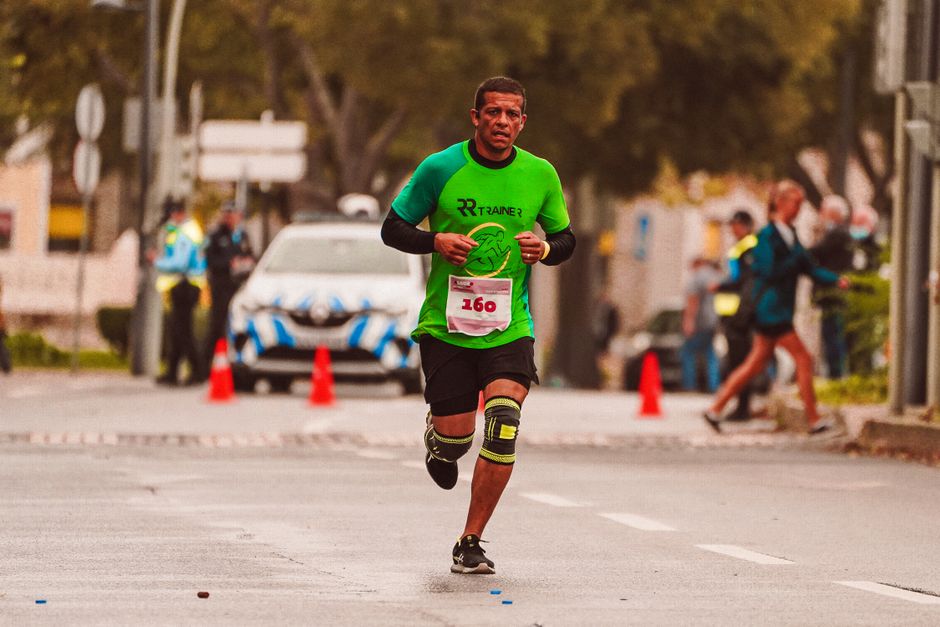
Early mornings in Sydney’s Centennial Parklands see hundreds pounding the 3.7 kilometre Grand Drive circuit. At the Bondi Icebergs Club, winter memberships jumped 18% compared to last July—part of a broader wave towards social fitness. The city’s largest community-run soccer club, Glebe Gorillas FC, reported a waiting list across multiple age groups for the first time in a decade, stretching from Harold Park Oval to Annandale.
In the west, Blacktown Leisure Centre noted a surge in pickleball sessions, with Thursday evening courts on Reservoir Road booked out through August. Meanwhile, fitness startup Sweat Society recently announced a third Sydney studio, opening in Newtown’s King Street later this year. "We’ve seen students, tradies and CBD professionals all showing up for 6am HIIT classes," their manager revealed on Saturday, hours after the Socceroos loss.
The Numbers: Fitness is Flexible, But Not Universal
Sport Australia’s 2026 Active Australia Report registered a 9% spike in paid group fitness participation, with 23% of adults now forking out for boutique gym memberships (average $118/month at locations like Barangaroo’s Fitness Playground and UNSW’s Arc Centre). Yet, club sport growth isn’t evenly spread. Netball and AFL junior registrations in the eastern suburbs rose 14% year-on-year, but rugby league sign-ups in Bankstown and Liverpool actually fell slightly, flagged at 2.3% below 2025 levels.
Experts point to new arrivals shaping the activity mix—over 10,000 new soccer players enrolled across Greater Sydney’s community programs since January, according to Football NSW figures. At the same time, the Australia Institute found only 48% of adults in Sydney’s western and south-western corridors achieve minimum activity guidelines. Cost remains a barrier for many young people, with Saturday netball at Perry Park now running $12 per match for under-18s, up 20% since pre-pandemic seasons.
Looking ahead, council-backed campaigns like Run the City (scheduled for September on Pitt Street) and Active Women on the Move are set to push inclusivity and lower participation costs. Several LGA pilot programs will distribute free sports equipment in western Sydney over the coming school holidays. As the dust settles on another World Cup exit, gyms from Randwick to Rozelle expect Monday bookings to be heavy with new faces—fuelled, as often, more by local ambition than international disappointment. For Sydneysiders, building daily fitness into city life remains both a personal and community project.