Thousands of Dhaka residents are quietly tapping into a network of free and subsidised wellness services scattered across the city — and health workers say most people still don't know these options exist. From government-run urban primary health centres to NGO-led mental health helplines operating seven days a week, the infrastructure for low-cost care has expanded significantly since 2023, even as private clinic fees have climbed by an estimated 30 percent over the same period.
The timing matters. July sits deep inside Bangladesh's monsoon season, a stretch that nutritionists and physicians at Dhaka Medical College Hospital consistently associate with spikes in waterborne illness, respiratory infections and — less discussed but equally real — seasonal mood disruption. Humidity above 85 percent, routine flooding in low-lying areas like Demra and Rayer Bazar, and disrupted daily routines all take a toll on physical and mental health. Knowing where to go without paying a premium is not a lifestyle luxury; for the majority of the capital's estimated 22 million residents, it is a practical necessity.
Where to Go, and What It Costs
The Dhaka North City Corporation (DNCC) runs 18 urban primary health care centres across the city, with clusters in Uttara Sector 6, Mohammadpur's Krishnapur, and Pallabi. Walk-in consultations are free for city residents who show a national ID card. Services include blood pressure screening, diabetes checks, basic dental review and referrals to specialists. Centres typically open at 8 a.m. and see patients until 2 p.m. on working days. Dhaka South City Corporation operates a parallel network with centres in Lalbagh, Wari and Sutrapur — phone lines for each are listed on the DSCC website, updated as of January 2026.
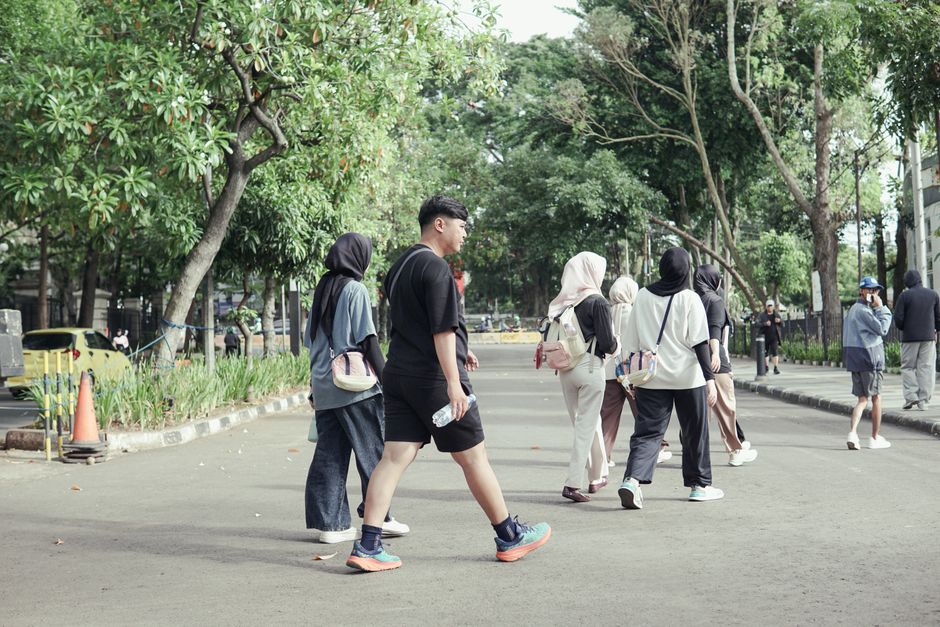
For fitness, Hatirjheel — the 302-acre lake and walkway complex connecting Rampura to Maghbazar — functions as the city's largest free outdoor gym. Every morning between 5:30 a.m. and 8 a.m., the eastern promenade fills with walkers, joggers and informal yoga groups. The Dhaka Metropolitan Police runs a separate "Healthy City" initiative that keeps the northern pathway lit and patrolled after dark, making evening walks viable. Ramna Park in the old city charges a 10-taka entry fee, and Osmani Udyan near Gulistan is free. Both parks host volunteer-led stretching sessions on Fridays.
Kaan Pete Roi, Bangladesh's pioneering emotional support helpline, offers free telephone counselling at 01779-554391 and has operated continuously since 2013. Call volume rose 40 percent between January and May 2026, according to figures the organisation shared with journalists in June. The service is staffed by trained volunteer listeners and is available from 7 p.m. to 11 p.m. daily. For structured mental health support, the National Mental Health Institute in Sher-e-Bangla Nagar provides outpatient consultations on a sliding-scale fee — as low as 50 taka per session for patients below a verified income threshold.
Making the Most of Community Health Days
Several NGOs run monthly health camps that are worth marking on a calendar. BRAC's urban health programme holds free diagnostic days — including blood glucose, haemoglobin and BMI screening — at community centres in Mirpur-10 and Demra, usually scheduled for the first Saturday of each month. The Gonoshasthaya Kendra clinic in Dhanmondi offers general consultations for 80 taka, well below the 600-to-1,200-taka range common at private chambers nearby.
Nutrition counselling, often overlooked as a wellness tool, is available free through the government's National Nutrition Services programme at designated upazila health complex outreach posts operating in Keraniganj and on the Buriganga riverbank during the second week of each month. Appointments are not always required — but arriving before 9 a.m. dramatically reduces wait times.
The practical advice is straightforward: carry your NID card, download the DNCC and DSCC service directories saved to your phone before the next power cut, and treat the free Friday sessions at Ramna Park as a standing appointment rather than an occasional treat. Wellness in this city has never been the exclusive property of anyone with a corporate gym membership — the gap is mostly information, not access.