Business
Logistics Startup Dhaka: SwiftRoute BD's Growth Story
How SwiftRoute BD scaled from a shared desk in Dilkusha to 1.8M deliveries, reshaping last-mile logistics in Dhaka's evolving business landscape.
4 min read
Updated 13 h ago
Business
How SwiftRoute BD scaled from a shared desk in Dilkusha to 1.8M deliveries, reshaping last-mile logistics in Dhaka's evolving business landscape.
4 min read
Updated 13 h ago
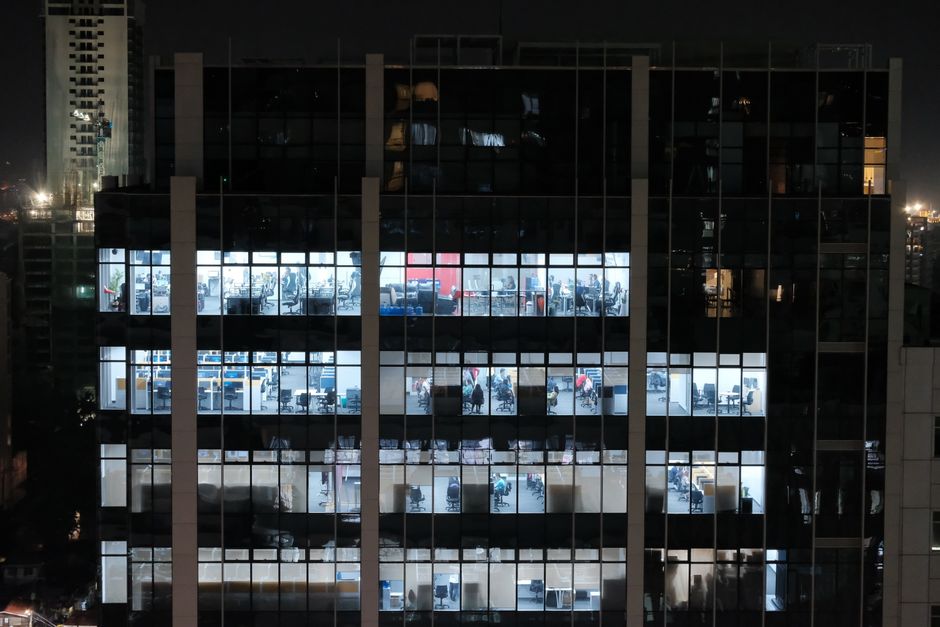
Sadia Rahman launched SwiftRoute BD out of a borrowed desk in a shared office off Dilkusha Commercial Area three years ago. Today her last-mile logistics company employs 340 people, operates a 12,000-square-foot warehouse in Demra, and completed 1.8 million deliveries in the first half of 2026 alone. By any measure, it is one of the more striking growth stories to emerge from Dhaka's commercial heartland this year.
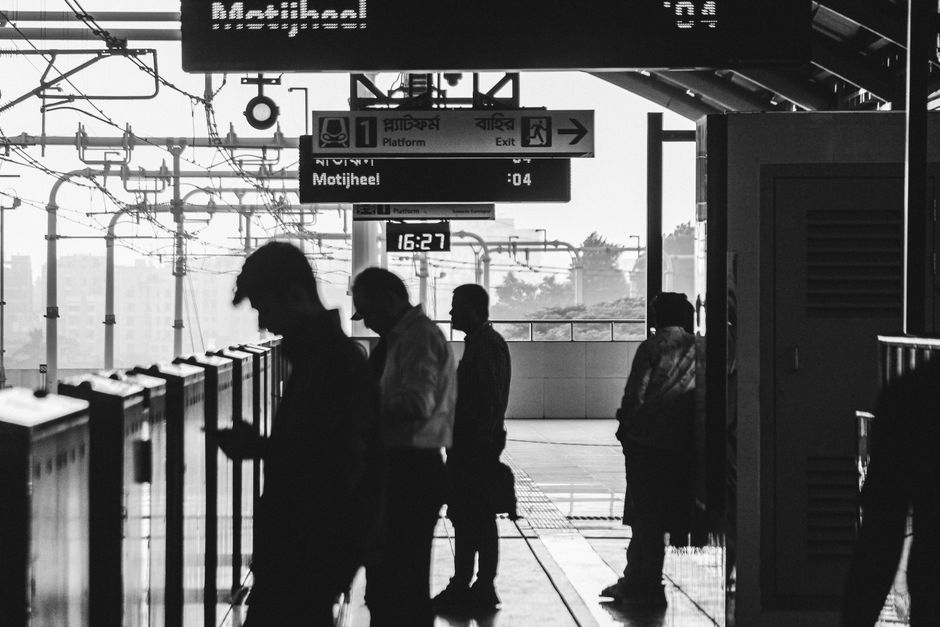
Her timing matters. Bangladesh's urban economy is at a crossroads. The government's Dhaka Structure Plan 2035, still under active revision by Rajdhani Unnayan Kartripakkha — better known as RAJUK — envisions a ring of secondary business nodes around the old centre, designed to pull investment away from chronically congested Motijheel and towards corridors in Mirpur, Uttara, and Gazipur. Private capital is following, slowly but visibly. New registered businesses in Dhaka city alone climbed to roughly 47,000 in 2025, according to the Dhaka Chamber of Commerce and Industry, up from about 38,000 in 2022.
Walk through Gulshan-2 Circle on a weekday morning and the evidence is physical. Four new co-working spaces have opened along Gulshan Avenue since January, two of them anchored by Bangladeshi operators rather than the multinationals that once dominated the premium office market. The Bangladesh Investment Development Authority recorded foreign direct investment commitments of $2.4 billion for the January-to-May 2026 period, a 19 percent increase over the same stretch in 2025. A meaningful portion of that is landing in the IT and logistics sectors — precisely where Rahman has been operating.
SwiftRoute BD does not move parcels the way the established players do. The company built a hyperlocal network of 60 micro-fulfilment points spread across the city — converted ground-floor shops in Rayer Bazar, Jatrabari, and Badda, each staffed by two or three people on motorbikes. The model cuts average delivery time to under four hours for same-day orders within the metropolitan area. Monthly revenue crossed 18 crore taka in May, Rahman's team confirmed, and the company is projecting full-year gross revenue of around 200 crore taka.
Several factors helped. The closure of some international e-commerce players from the market in 2023 and 2024 left a gap. Domestic platforms such as Chaldal and Shajgoj needed reliable last-mile partners who understood Dhaka's alley-level geography better than any algorithm does. Rahman, a former supply-chain officer at a pharmaceutical distributor in Tejgaon Industrial Area, knew the streets.
The Dhaka Chamber of Commerce and Industry's SME Cell has started holding monthly case study sessions at its headquarters on Motijheel C/A, and SwiftRoute BD's model came up as a reference point in the May 2026 session. The emphasis was on capital efficiency: Rahman raised an initial seed round of 1.2 crore taka from friends and family, then secured a Tk 5 crore term loan from BRAC Bank's SME division before bringing in a venture round in late 2024. She did not wait for foreign validation before building.
That sequencing — domestic capital first, proof of concept second, institutional money third — is increasingly the template recommended by advisers at the Startup Bangladesh Limited programme, the government-backed fund under the ICT Division. The programme has disbursed over Tk 100 crore to more than 80 startups since 2021, and its selection committee has indicated it will prioritise logistics, agri-tech, and green manufacturing in the next disbursement cycle, expected before December 2026.
For Rahman and companies like hers, the near-term challenge is expansion without losing the local precision that made them competitive. SwiftRoute BD is scouting a second warehouse in Narayanganj to handle overflow from industrial clients in the city's southern corridor. RAJUK's new zoning amendments, if passed by the fourth quarter, could reduce the cost of commercial leases in secondary districts by as much as 15 percent, according to property consultants active in the Dhaka market. That would open another round of possibilities for operators willing to move fast — which, on current form, seems to be exactly what this company intends to do.
About this article
Published by The Daily Dhaka
Spread the word
Daily brief
Free, in your inbox before 7am. Weekdays.