Dhaka’s New Investment Boom Reshapes Job and Talent Market in Central Business District
Corporate tower launches in Gulshan and Motijheel are fueling intense demand for skilled professionals, transforming traditional career paths for young Dhaka residents.
This article was generated by AI from the linked public sources. The Daily Dhaka is independently owned and covers Dhaka news free from advertiser or sponsor influence. Read our editorial standards →
Rapid injections of capital into Dhaka’s business district are triggering a wave of new commercial openings—and a fierce battle for talent among the city’s top employers. Over the past quarter, international tech giants and regional conglomerates have launched new offices along Gulshan Avenue and rejigged wages upward, sending ripples through the local job market.
This influx is no accident. As Bangladesh eyes middle-income status by 2030 and local consumer demand surges, Dhaka has become South Asia’s hot ticket for multinationals seeking stable, scalable growth. Investors are particularly drawn to the capital’s well-connected neighborhoods, where digital infrastructure and international schools help attract global staff. The government’s Business Investment Promotion Committee—even as its flagship One Stop Service Portal hit 49,000 registered businesses in June—has made it simpler for foreign capital to secure commercial real estate, especially north of Hatirjheel.
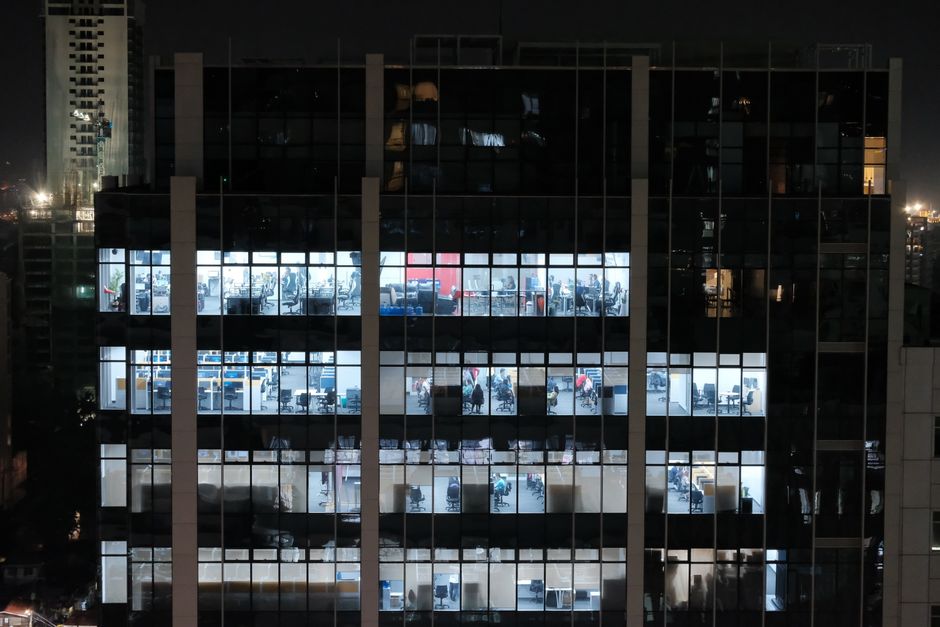
Gulshan’s Glass Towers, Motijheel’s Makeover
Last week, the 32-storey CityMall Tower opened at the junction of Gulshan 2 Circle and Kemal Ataturk Avenue, offering over 40,000 square metres of Grade-A office space. Nearby, Singapore-based fintech firm RuzPay flagged its Bangladeshi headquarters with 130 hires, many poached from local competitor Pathao and the state-owned Sonali Bank. Across the city, Motijheel—the old heart of Dhaka’s banking scene—is also evolving. The Bangladesh Association of Software and Information Services (BASIS) inaugurated its new Skills @ Motijheel hub this week. It will retrain over 1,500 mid-career professionals for digital banking and business analytics roles by December.
The city’s top recruiters admit demand is white-hot. “We’ve never seen this much competition for UI/UX designers and digital project managers,” lamented one HR manager at Square Pharmaceuticals, which just leased two floors in CityMall Tower. Job ads posted on local platform Bdjobs.com for software engineers in Dhaka jumped from 1,900 in March to 2,610 in June, according to site figures reviewed by The Daily Dhaka.
Job Market Data: Salaries, Skills, Scarcity
With two million young Bangladeshis entering the workforce each year and commerce in the CBD outpacing national growth, salary offers are on the rise. The latest Bangladesh Bureau of Statistics labor survey found that median monthly pay for IT professionals in Dhaka reached Tk 75,000 ($630) in May, up from Tk 53,000 just two years ago. Leading recruitment firm ProEdge noted a 16% year-on-year increase in starting offers for management trainees graduating from North South University and BRAC University this summer.
Those without digital skills risk being left behind. Old-guard Motijheel accounting firms are losing staff to flashy new fintechs on Pragati Sharani, and undergraduates are lining up for quick-fire courses at BRAC’s new Career Launchpad—which graduated 480 participants in its first month.
For Dhaka’s jobseekers and career switchers, the practical advice is blunt: learn new skills, particularly in tech, project management, and business English. Private upskilling centres like CodersTrust in Banani are reporting record enrollment, while companies are snapping up freelancers who can plug critical gaps, even if just for short contracts. As the business district’s skyline changes, so too does the city’s hiring landscape—those willing to reskill quickly stand to benefit most from Dhaka’s new commercial boom.
Covering business in Dhaka. This article was generated by AI from the linked sources and was not reviewed by a human editor before publishing. See our editorial standards.