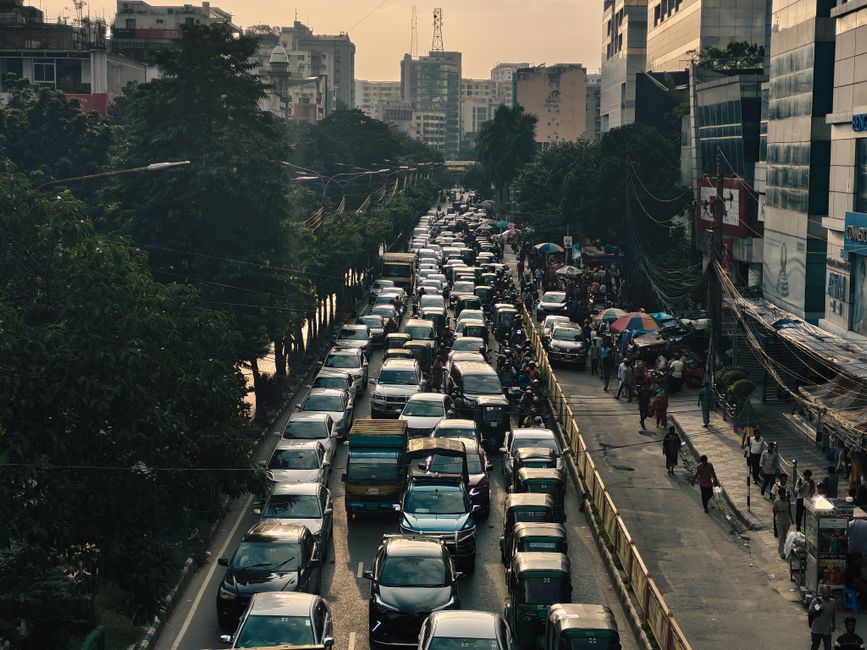
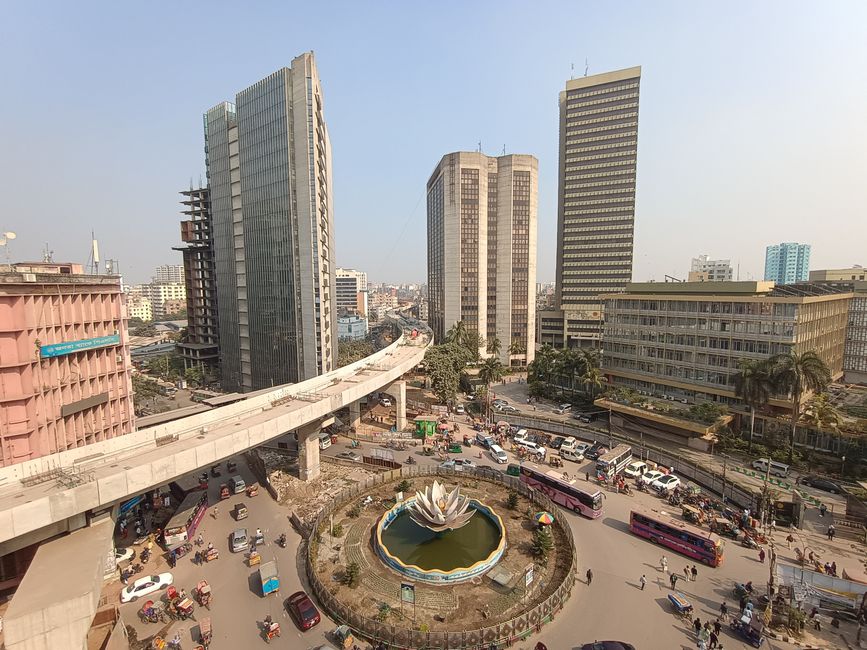
Walk into the Dhaka City Corporation's digital service counter at the Nagar Bhaban on Fulbaria Road any given morning and you will likely find residents clutching printouts of conflicting property records — two scanned files, same parcel, different registered details. The problem has a mundane technical name: duplicate image files embedded inside digitised records. But for families in Demra, Mirpur or Rayer Bazar who are trying to sell land, apply for utility connections or settle inheritance disputes, it is anything but mundane.
The issue has become more pressing this year as Bangladesh pushes forward with the Digital Bangladesh 2.0 agenda and city authorities accelerate the scanning and uploading of paper-era land and civic records. When document images are scanned multiple times, incorrectly indexed or pulled from separate legacy databases without deduplication checks, identical or near-identical image files pile up inside the same record. The result is a citizen-facing interface that displays contradictory attachments for the same application, leaving frontline officials — and the residents waiting in front of them — unable to confirm which version is authoritative.
Where the Problem Is Showing Up in Dhaka
Two city institutions have become focal points for complaints. The Dhaka District Sub-Registry Office in Segunbagicha handles thousands of land deed verifications each month, and residents who spoke to The Daily Dhaka on background described repeated experiences of receiving contradictory scanned deed images for the same plot reference. The Bangladesh Land Development Tax portal, which processes annual tax payments for properties across the city, has similarly generated support requests from residents in Mohammadpur and Uttara whose payment confirmation screens showed duplicate uploaded documents with mismatched metadata.
The practical consequence is delay. A standard mutation application — transferring a property title into a new owner's name — is supposed to take roughly 28 working days under current service-level guidelines from the Ministry of Land. Residents dealing with flagged duplicate records report waiting significantly longer while officials manually reconcile the conflicting image files. For those renting temporary legal counsel to shepherd the process, even a two-week delay translates into additional fees that can run into tens of thousands of taka.
Community Legal Aid Services, a Dhaka-based non-governmental organisation that provides free legal assistance to low-income residents, has noted an uptick in property-related complaints linked to documentation errors in digitised records. Their Dhanmondi office, which handles walk-in clients, has seen the issue surface particularly among residents whose original documents date from the 1980s and 1990s — an era when paper records were inconsistently maintained and are now being converted in bulk.
Why It Matters Beyond Individual Frustration
Bangladesh's land sector is already among the most litigation-heavy in South Asia. The Bangladesh Bureau of Statistics estimated in its 2022 Household Income and Expenditure Survey that land disputes remain one of the leading sources of financial stress for urban households. Introducing avoidable data errors into the digitisation process risks entrenching disputes that the digital transition was specifically meant to reduce.
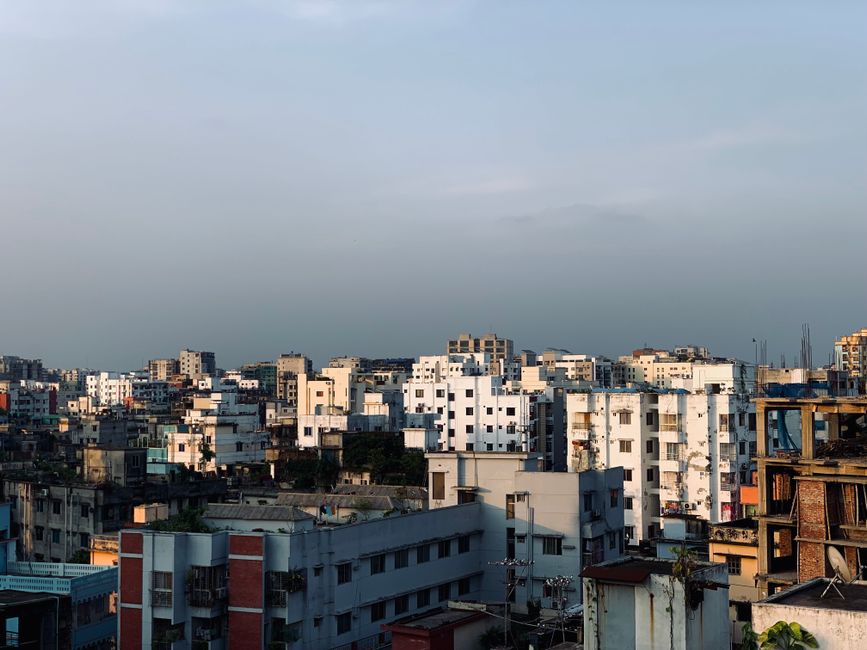
For Dhaka's expanding middle-income neighbourhoods — particularly the dense apartment blocks of Badda, Bashundhara and Jatrabari, where flat ownership documents are being registered at high volume — the stakes are especially high. A duplicate image attached to a flat deed can delay a bank's mortgage verification, which in turn stalls a purchase. With flat prices in Bashundhara R/A ranging broadly between Tk 60 lakh and Tk 1.5 crore depending on size and floor, a frozen transaction carries serious financial weight for both buyer and seller.
The fix itself is not particularly expensive or technically complex. Deduplication software — tools that scan uploaded file libraries, identify identical or near-identical image hashes and flag them for review — is widely available and used by land registries in countries including South Korea and the Netherlands. The harder part is allocating the human oversight needed to review flagged files before they are permanently merged or deleted, and ensuring that the workflow is built into ongoing digitisation contracts rather than treated as a post-hoc correction.
Residents dealing with suspected duplicate record errors should request a written acknowledgment from the relevant sub-registry or city corporation counter, keep printed copies of every document version they receive, and file a formal discrepancy report through the Ministry of Land's online grievance portal at minland.gov.bd. Tracking the grievance number carefully is essential — it is the primary lever for pushing a stalled file back into active review.